Sealants
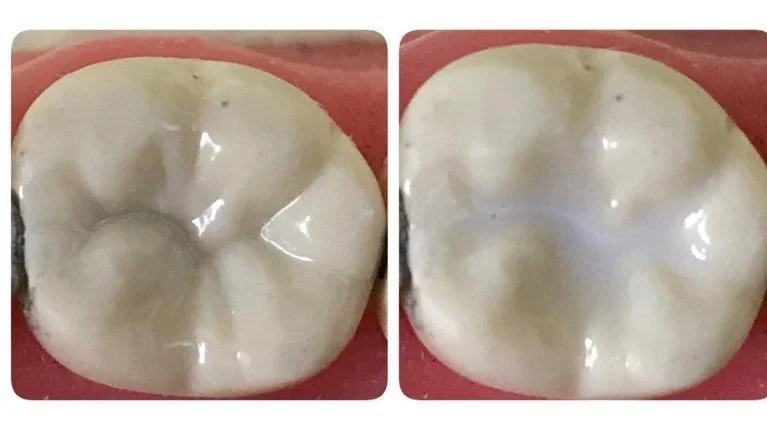
Dental sealants are a highly effective way to protect your child’s teeth from decay. They consist of a specialized resin material applied to the chewing surfaces of the back teeth, specifically the premolars and molars.
How Sealants Protect Your Smile
The back teeth naturally contain narrow grooves called pits and fissures. Because these grooves are so deep and narrow, toothbrush bristles often cannot reach inside to clean them properly.
Preventing Cavities
Sealants form a thin, protective barrier that prevents food and bacteria from getting stuck in these grooves.
Proven Success
Studies show that sealants can reduce the risk of cavities on chewing surfaces by up to 58%.
Comprehensive Care
While sealants are excellent for protecting the top surfaces of teeth, they do not prevent cavities between teeth; regular flossing is still essential for that.
The Application Process
Applying sealants is a simple, comfortable process that requires no anesthetic or drilling.
Cleaning: The tooth is cleaned with a rotary brush to remove bacteria. In some cases, we may use a gentle sandblasting technique (enameloplasty) to clear away stains or early signs of decalcification.
Preparation: A mild acidic solution is applied to the tooth to slightly roughen the surface, which helps the sealant bond securely.
Sealing: The resin is painted onto the tooth and hardened quickly using a specialized curing light.
Maintenance and Longevity
Sealants typically last for several years. However, they are not permanent and will eventually need to be reapplied.
What to Avoid: To help sealants last longer, try to avoid chewing on ice or hard candies.
Bruxism: Habitual teeth grinding (bruxism) can also cause sealants to wear down faster.
Regular Checkups: We will inspect the condition of your child's sealants during every routine dental visit.
Sealants for Baby Teeth
While sealants are most common on permanent teeth, they can sometimes be used on baby teeth if the child has very deep grooves that are prone to cavities.
Please note that many insurance providers do not cover sealants for primary (baby) teeth. Additionally, because the process requires a child to remain still, it may not be suitable for very young patients who find it difficult to cooperate during the procedure.